
How To Start Best Aircraft Manufacturing?
Aircraft manufacturing is one of the most advanced and capital-intensive industries in the world, combining aerospace engineering, precision manufacturing, and strict safety standards. Global leaders such as Boeing and Airbus dominate this sector by producing commercial airplanes, military aircraft, and cargo planes for international markets. Starting an aircraft manufacturing business requires deep technical knowledge, massive investment, and long-term planning. The first step is identifying your niche—such as small private aircraft, drones, military aviation, or commercial airplanes. Conducting thorough market research and feasibility studies is essential to understanding demand, competition, and regulatory requirements. A detailed business plan should outline your production capacity, technology partnerships, and funding strategy, as this industry often requires billions in investment.
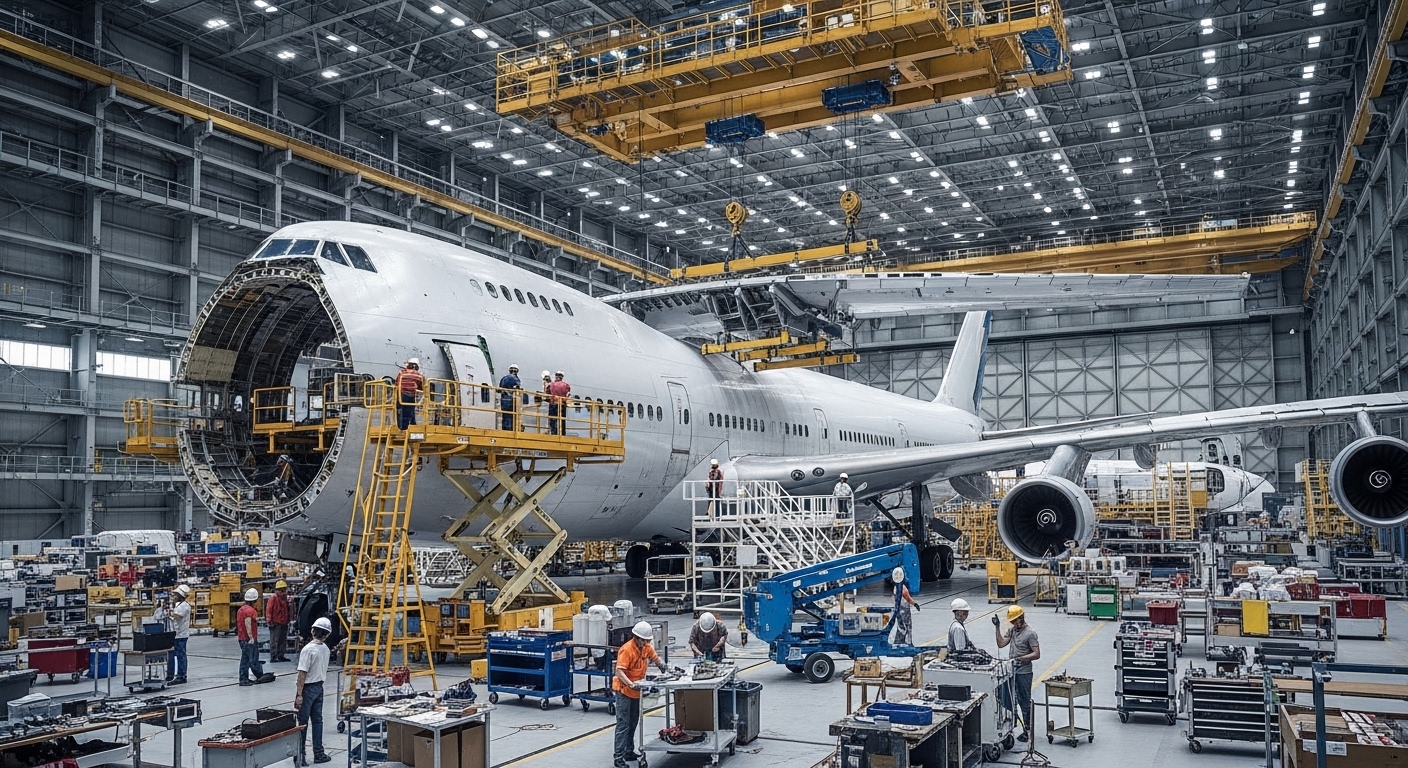
Setting up an aircraft manufacturing facility involves establishing a large-scale industrial plant equipped with highly specialized machinery, testing labs, and assembly lines. The location should ideally be near skilled labor hubs, research institutions, and transportation networks. Compliance with strict aviation regulations is critical, and approvals must be obtained from authorities such as the Federal Aviation Administration (FAA) or India’s Directorate General of Civil Aviation (DGCA). The production process includes design engineering, material sourcing (such as aluminum alloys and composites), component manufacturing, assembly, and rigorous safety testing. Hiring experienced aerospace engineers, technicians, and quality control specialists is crucial, as even minor defects can have serious consequences. Strong supplier partnerships for engines, avionics, and structural components are also vital for maintaining production efficiency.
To succeed in the aircraft manufacturing industry, companies must focus on innovation, safety, and long-term customer relationships. Building a strong brand reputation through reliability and performance is essential, as airlines and defense organizations prioritize safety above all else. Marketing efforts typically involve global exhibitions, defense contracts, and partnerships with airlines or governments. After-sales services, including maintenance, repair, and overhaul (MRO), play a significant role in generating recurring revenue. Continuous investment in research and development—such as fuel-efficient engines, lightweight materials, and sustainable aviation technologies—helps companies stay competitive. Although the barriers to entry are high, aircraft manufacturing offers immense profitability and global expansion opportunities for businesses that can successfully navigate its technical and regulatory complexities.
Complete Business Plan
1. Business Overview
Aircraft manufacturing is a high-tech, capital-intensive industry focused on designing, developing, and producing aircraft for commercial, defense, cargo, or private use. Global leaders like Boeing and Airbus dominate the large commercial aircraft segment, while emerging opportunities exist in regional aircraft, private jets, and unmanned aerial vehicles (drones). In India, the aerospace sector is growing with government support, defense modernization, and increasing demand for air travel.
2. Business Objectives
- Establish an aircraft manufacturing facility within 5–7 years
- Develop and launch a niche aircraft (e.g., small passenger aircraft or drones)
- Achieve global certification standards
- Secure contracts with airlines, defense, or logistics companies
- Build a globally recognized aerospace brand
3. Market Analysis
The global aviation market is expanding due to rising air travel demand, cargo transportation, and defense needs. Key opportunities include:
- Regional and low-cost aircraft
- Cargo and logistics aircraft
- Defense and surveillance aircraft
- Unmanned Aerial Vehicles (UAVs)
Target customers:
- Airlines and aviation companies
- Government and defense departments
- Logistics and cargo firms
- Private jet buyers
4. Products & Services
- Commercial aircraft (small to mid-size)
- Private jets
- Cargo aircraft
- Military aircraft (subject to approvals)
- Drones and UAVs
- Maintenance, Repair, and Overhaul (MRO) services
- Spare parts and upgrades
5. Business Model
Revenue streams:
- Aircraft sales (primary revenue)
- Defense contracts
- Leasing aircraft
- MRO services (recurring income)
- Spare parts and upgrades
Sales channels:
- Direct B2B contracts
- Government tenders
- International partnerships
6. Location & Infrastructure
- Land requirement: 200–1000 acres
- Preferred locations: Near aerospace hubs (e.g., Karnataka, Telangana, Maharashtra)
- Infrastructure includes:
- Aircraft assembly hangars
- R&D and design centers
- Testing facilities and runways
- Warehousing and logistics
7. Technology & Machinery
- Advanced CAD/CAM systems
- CNC machines for precision manufacturing
- Composite material fabrication units
- Avionics integration systems
- Wind tunnels and testing labs
8. Legal Requirements & Certifications
- Company registration
- Industrial and defense licenses
- Environmental clearances
- Certification from the Directorate General of Civil Aviation (DGCA)
- International certifications from the Federal Aviation Administration (FAA) or EASA
- Compliance with global aviation safety standards
9. Investment & Cost (Estimated)
- Land & infrastructure: ₹1000–3000 crore
- Machinery & technology: ₹2000–5000 crore
- R&D and prototyping: ₹1500–4000 crore
- Workforce & operations: ₹500–1000 crore
- Total Investment: ₹5000–13000+ crore
10. Funding Sources
- Government funding and subsidies
- Strategic global partnerships
- Private equity and venture capital
- Defense contracts
- Public offerings (IPO)
11. Operations Plan
- Aircraft design and prototyping
- Component manufacturing
- Assembly and integration
- Testing and certification
- Delivery and logistics
- After-sales maintenance (MRO)
12. Marketing Strategy
- Participate in global airshows and defense expos
- Build partnerships with airlines and governments
- Focus on safety, reliability, and performance
- Long-term contracts and leasing options
Brand positioning:
- High safety standards
- Advanced technology
- Cost-efficient aircraft solutions
13. Human Resources
- Aerospace engineers
- Mechanical and electrical engineers
- Avionics specialists
- Skilled technicians
- R&D scientists
- Sales and contract management team
Estimated workforce: 5,000–20,000 employees
14. Risk Analysis
- Extremely high capital requirement
- Strict regulatory approvals
- Long development cycles
- High competition from global giants
Mitigation:
- Focus on niche markets (e.g., drones, regional aircraft)
- Strong R&D and innovation
- Strategic partnerships
15. Profit Potential
- Very high revenue per aircraft
- Long-term contracts ensure stability
- Profit margins: 10–25% (after scale)
- Break-even: 8–15 years
16. Growth Strategy
- Expand into global markets
- Develop fuel-efficient and eco-friendly aircraft
- Invest in autonomous and AI aviation technologies
- Strengthen MRO services
- Collaborate with international aerospace companies
Conclusion
Aircraft manufacturing is one of the most challenging yet rewarding large-scale industries. While it requires massive investment, advanced technology, and strict compliance, it offers enormous global opportunities. By focusing on innovation, safety, and niche markets, a new entrant can gradually build a strong position in the aerospace sector and achieve long-term success.

icareer
very nice information.
icareer
Thank you, sir.