
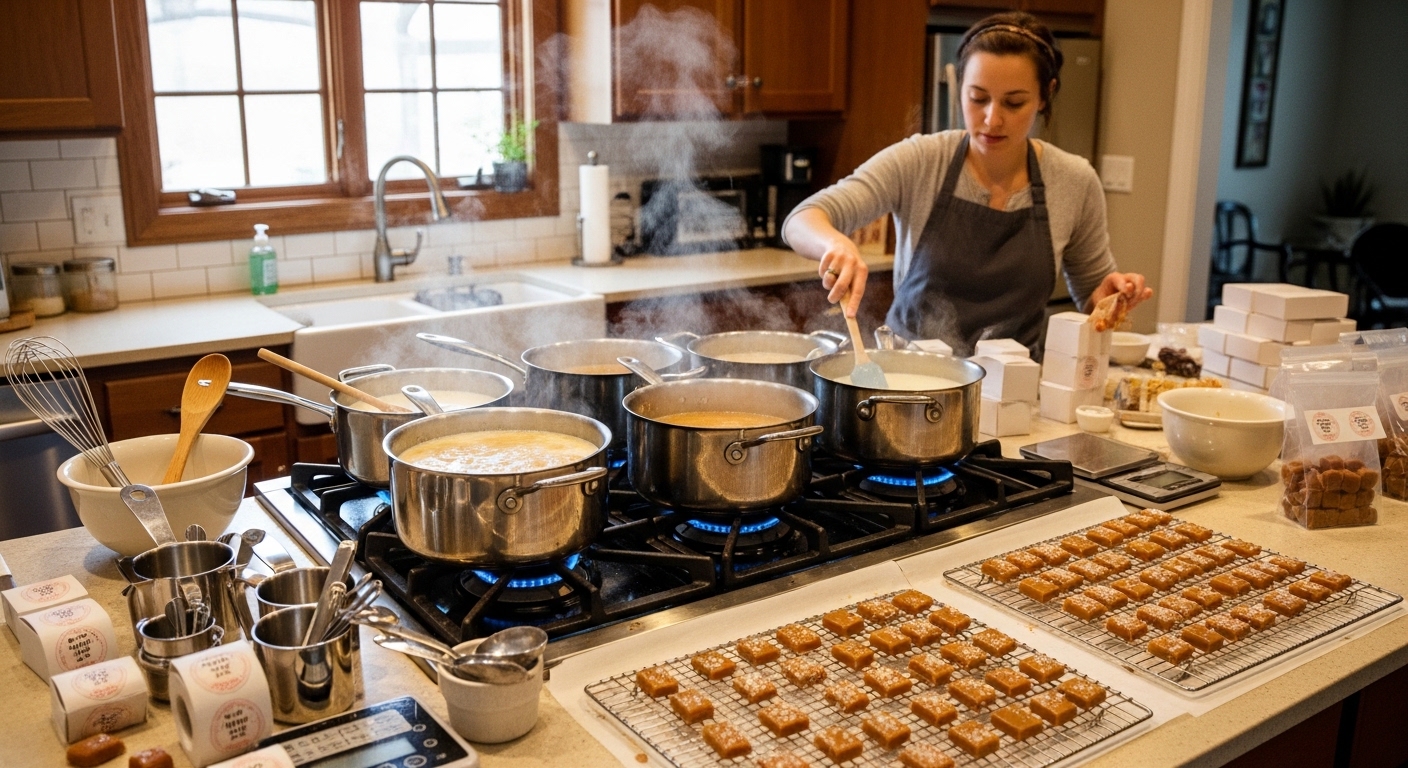
Prepare Khoya at Home – Complete Business Plan
Khoya (also known as mawa) is a key ingredient in many Indian sweets, such as peda, barfi, gulab jamun, and halwa. With increasing demand for fresh and pure dairy products, preparing khoya at home and selling it can be a highly profitable small-scale business. This business requires low investment, basic skills, and can be started from your kitchen, making it ideal for beginners, homemakers, and aspiring entrepreneurs.
What is Khoya and why is it in Demand?
Khoya is made by slowly evaporating milk until it becomes thick and solid. It is widely used in sweet shops, bakeries, and homes, especially during festivals like Diwali, Holi, and weddings. Many customers prefer homemade khoya because it is fresh, hygienic, and free from adulteration, unlike some market products. This creates a great opportunity to build a trusted local brand.
How to Prepare Khoya at Home
To start this business, you need full-cream milk, a heavy-bottom pan, and a stove. Take fresh full-fat milk and pour it into a wide pan. Heat it on medium flame and keep stirring continuously to prevent burning. As the milk starts reducing, scrape the sides and mix it back into the liquid. Continue this process for 1.5 to 2 hours until the milk thickens and turns into a semi-solid mass. Once it reaches the desired consistency, turn off the heat and let it cool. Your homemade khoya is ready. You can prepare different types, like soft khoya, hard khoya, or granulated khoya, depending on customer needs.
Business Setup and Requirements
Starting a khoya business from home is simple. You need basic kitchen equipment like a gas stove, large utensils, a spatula, measuring tools, and storage containers. For scaling up, you can invest in larger vessels and a gas burner. Maintain cleanliness and hygiene in your workspace to build customer trust. If you plan to expand, you can consider registering your business and getting the necessary food safety approvals.
Investment and Cost
The initial investment for this business is low, typically between ₹5,000 and ₹20,000. The major cost is raw material (milk), which you can source from local dairy farms or vendors at wholesale rates. Other costs include gas, packaging materials, and basic utensils. Starting small helps reduce risk and allows you to test the market.
Pricing and Profit Margin
Khoya has good profit margins because the value increases significantly after processing milk. For example, 1 liter of milk can produce around 200–250 grams of khoya. If you purchase milk at a reasonable price and sell khoya at market rates, you can earn a profit of ₹100–₹300 per kg. During festive seasons, demand and prices increase, boosting your income further. Selling directly to customers or sweet shops can increase margins.
Packaging and Branding
Proper packaging is important for maintaining freshness and attracting customers. Use clean, food-grade containers or butter paper wrapping. Label your product with your brand name, weight, and contact details. You can also highlight “homemade,” “pure,” and “fresh” to build trust. Attractive and hygienic packaging helps you stand out in the market.
Marketing Strategy
Start by selling to your neighbours, friends, and local community. Word-of-mouth marketing is very powerful for food businesses. You can also promote your product on WhatsApp, Facebook, and Instagram by sharing photos and customer reviews. Approach local sweet shops, Halwai, and small bakeries to supply khoya in bulk. Offering free samples can help you gain initial customers. Consistency in quality and taste will bring repeat orders.
Target Customers
Your primary customers include households, sweet shops, caterers, bakeries, and small food businesses. During festivals and wedding seasons, demand increases significantly, providing an opportunity to earn more. Understanding customer preferences and offering customized quantities can help you grow faster.
Growth Opportunities
Once your khoya business is established, you can expand by offering related products like paneer, ghee, sweets, and flavored khoya. You can also create a small brand and sell online through social media or local delivery apps. Hiring helpers and increasing production capacity can turn this into a full-time business.
Challenges and Tips
The main challenges include maintaining consistent quality, managing milk supply, and handling shelf life. Always use fresh milk and maintain hygiene. Prepare khoya in small batches to ensure freshness. Build strong relationships with suppliers and customers.
Conclusion
Preparing khoya at home and selling it is a simple yet profitable business idea. With low investment, basic skills, and proper planning, you can start earning from your home. Focus on quality, hygiene, and customer satisfaction to build a successful and sustainable business. With dedication and smart marketing, this small idea can grow into a reliable source of income and a strong local brand.
- Tags:
- Easy khoya recipe
- Gulab jamun with khoya recipe
- How to make khoya from milk at home
- How To Make Khoya/Mawa At Home
- How to prepare khoya at home easy
- How to prepare khoya at home in hindi
- how to prepare khoya business at home
- how to start khoya business at home
- Instant khoya Recipe
- Khoya mawa recipe
- khoya recipy
- Milk powder mawa recipe
- what is khoya
- what is mava
